


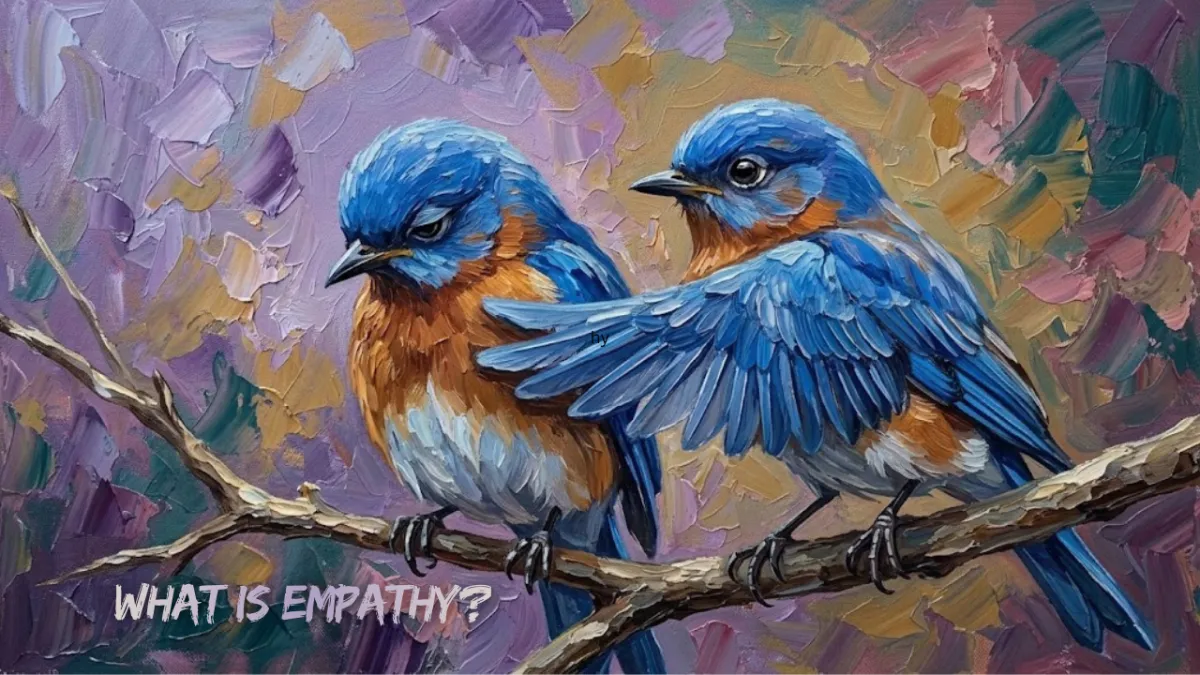
What Is Empathy? and Why Does It Matter? | Bluebird NJ
What Empathy Actually Is
Empathy is the ability to recognize, understand, and share in the emotional experience of another person. It is not just acknowledging that someone is upset. It is the capacity to feel into their experience well enough to understand why they feel the way they do, even if you would not feel the same way in their position.
There are two primary forms worth knowing:
Cognitive empathy is the ability to understand what someone else is thinking or feeling from their perspective. It is intellectual and deliberate.
Emotional empathy is the ability to actually feel what another person feels. It is visceral, automatic, and deeply relational.
Healthy empathy involves both. It allows for real connection, genuine communication, and the kind of trust that makes relationships feel safe.
In practice, empathy looks like this.
Someone tells you they are hurt by something you said.
You stop.
You listen.
You try to understand their experience from their point of view, not from yours.
You do not immediately defend yourself or redirect to your own feelings.
You stay with them in their experience long enough to actually get it.
That sounds simple. For a lot of people, it is genuinely not.
What It Looks Like When Empathy Is Missing
This is where things get important and often painful to recognize.
A person without empathy does not necessarily seem cold or cruel at first. They can be charming, funny, and engaging. The absence often only becomes visible in specific moments, usually moments where you need them to understand how you feel.
Here are the signs:
When you express hurt or distress they quickly redirect the conversation to themselves
They respond to your feelings with logic, deflection, or irritation rather than understanding
They minimize what you are feeling or tell you that you are overreacting
They apologize in ways that feel hollow, more about ending the discomfort than genuine remorse
They cannot stay present with your emotional experience for more than a few seconds before moving away from it
Conversations about how they affected you somehow always end with you comforting them
Over time, being in a relationship with someone who cannot access empathy leaves you feeling chronically unseen, consistently unheard, and quietly exhausted in a way that is hard to explain to people on the outside.
A Moment That Changes Everything
Here is a scenario that will feel familiar to more people than you might expect.
You are in the middle of a difficult conversation with someone close to you. You have been clear. You have explained, carefully and specifically, exactly what happened and exactly why it hurt you. You are not asking them to agree that they were wrong. You are asking for something much simpler.
You say:
"Even if you do not agree with me, do you understand WHY I am upset?"
And they cannot answer it. Not directly. Instead they shift. They bring up something you did three weeks ago or 3 years ago. They question your reaction. They insult your tone. They tell you that you are being too sensitive. They talk about their own intentions. They tell you that you misheard or misunderstand. They do everything except answer the actual question you asked.
That moment, when someone cannot step outside their own perspective long enough to simply acknowledge why you feel what you feel, is one of the clearest indicators that empathy is not accessible to them in the way it needs to be for the relationship to function in a healthy way.
It is not that they will not answer. It is that they genuinely cannot. And that distinction changes everything about how you respond.
If You Recognize This in Yourself
If you are reading this and honestly questioning whether you struggle with empathy, that self-awareness is significant. The fact that you are asking the question puts you in a very different category from someone who has no interest in examining themselves at all.
Difficulty with empathy can stem from many things including trauma, attachment patterns developed in childhood, personality disorders, chronic stress, or simply never having been modeled what healthy emotional attunement looks like.
All of these are workable with the right support. Therapy is not about judgment. It is about understanding where your patterns come from and building the capacity for connection that serves you and the people in your life better.
If this resonates, please do not wait. Reaching out to a therapist is the most honest and courageous thing you can do.

If You Are Close to Someone Who Cannot Access Empathy
This requires a level of clarity that is hard to arrive at alone, especially when you love the person.
Being close to someone who genuinely cannot feel empathy is not just frustrating. It is emotionally depleting in a cumulative way that affects your self-worth, your ability to trust your own perceptions, and your overall mental health over time. These relationships require very careful navigation.
You need to be honest with yourself about what the relationship is actually costing you. You need to stop expecting the empathy that is not coming, because waiting for it keeps you stuck in a cycle that will not change. And you need support from a professional who can help you understand the dynamic, protect yourself within it, and make clear-eyed decisions about your future in it.
If you are in this situation right now, please do not try to work through it alone.
Bluebird Therapy Center offers virtual therapy sessions for anyone across New Jersey. We accept most major insurance plans and offer a free 15-minute consultation with no pressure attached.
Book your free consultation today and give yourself the support you have needed for longer than you probably want to admit. If we are not the best fit for you, we will help you find someone who is.
Empathy Is the Foundation of Every Healthy Relationship
Without it, real connection is not possible. Real repair after conflict is not possible. Real intimacy is not possible. Understanding that is not pessimistic. It is the kind of clarity that allows you to make better decisions about who you let close to you and how you show up for the people who matter most.
If you are in New Jersey and navigating any part of what this blog brought up, Bluebird Therapy Center is here.


