
How Netflix Can Help Break Your Technology Addiction
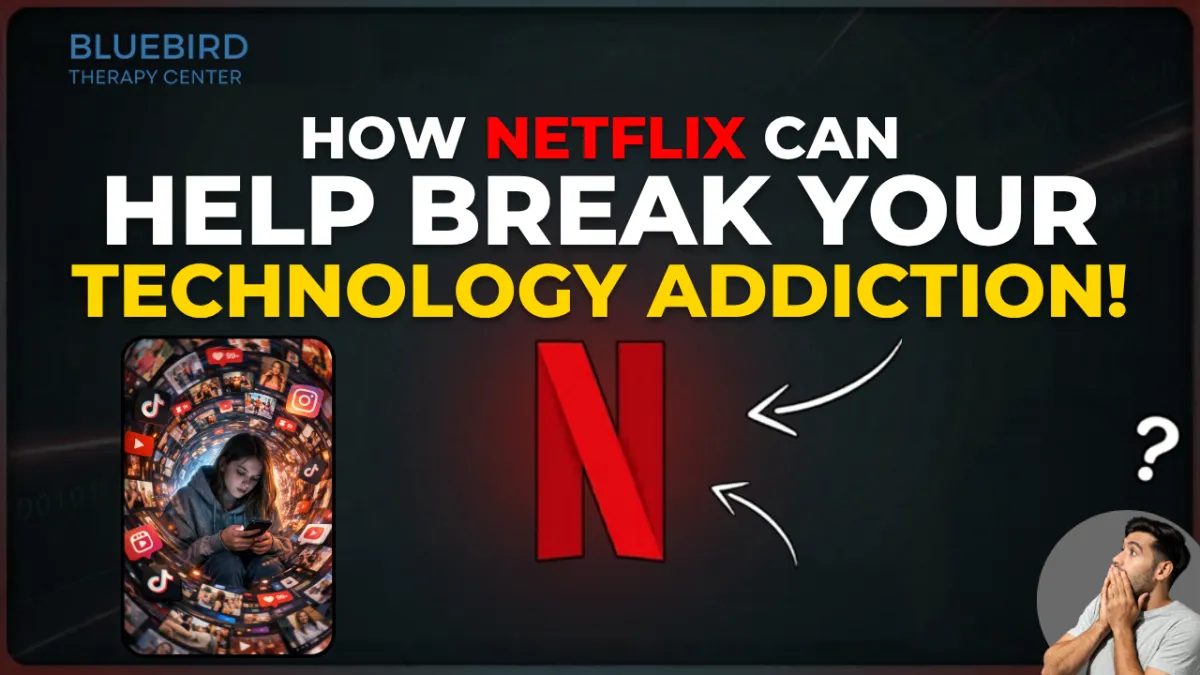
How Netflix Can Help Break Your Technology Addiction
Let us start with something that might be uncomfortable to sit with.
If you pick up your phone the moment you feel bored, scroll through Instagram Reels or TikTok for 45 minutes without meaning to, feel vaguely anxious when you try to put it down, and cannot remember a single thing you watched by the time you go to bed, you are not just wasting time.
You are experiencing addiction. Real, neurologically documented, clinically recognized addiction.
And the treatment might be sitting in your Netflix queue right now.
Your Brain on Short Form Content
The science here is no longer speculative. It is documented, replicated, and increasingly hard to argue with.
fMRI brain scans have shown that watching short form, personalized videos activates the mesolimbic dopamine system, which is the exact same neurological network involved in substance addiction. The nucleus accumbens lights up. The ventral tegmental area floods the brain with dopamine. The brain learns to crave the next hit before the current one is even finished.
Pediatricians have started calling TikTok a dopamine machine, and that description is clinically accurate.
A 2023 study published in Pediatric Reports found that adolescents who spent more than two hours daily on TikTok were significantly more likely to report anxiety, sleep disturbances, and difficulty sustaining attention. A large meta-analysis published in 2025 linked TikTok and Instagram Reels directly to poorer attention span and reduced impulse control across thousands of users. Research from Guizhou University of Finance and Economics confirmed that short form videos engage users through rapid bursts of stimulation that produce addictive behavioral patterns.
Here is the number that matters most. When you are scrolling Reels or TikTok, your brain is receiving between three and six dopamine hits per minute. Per minute. For comparison, cocaine produces a single sustained dopamine surge. Short form content is delivering that reward repeatedly, in rapid succession, every sixty seconds, for as long as you keep scrolling.
And the scroll never ends. That is by design.
The Attention Span Consequence
Every time your brain gets that rapid reward hit, it recalibrates. It begins to expect stimulation at that speed and intensity. Anything slower starts to feel unbearable.
This is called TikTok Brain, and it is not a social media term. It is a documented neurological phenomenon. Research from Holy Family University found that the brain, when conditioned by short form content, learns to process information only in short fragmented bursts and loses the capacity for deeper, sustained concentration.
The practical result is that tasks requiring focus become genuinely harder. Reading feels tedious. Conversations that are not constantly stimulating feel boring. Long form content, a television show, a movie, a book, feels like an impossible ask.
Here is where it gets important.
The Drug Rehab Parallel Nobody Is Talking About
In addiction treatment, there is no single method that works for everyone. Some people require complete abstinence. Cold turkey. Total removal of the substance with no exceptions.
But for many substances and many people, the clinical approach is a gradual reduction. A controlled weaning process that allows the brain to step down from the level of stimulation it has become dependent on, in stages, without the shock of total withdrawal.
Short form content addiction responds to this same framework.
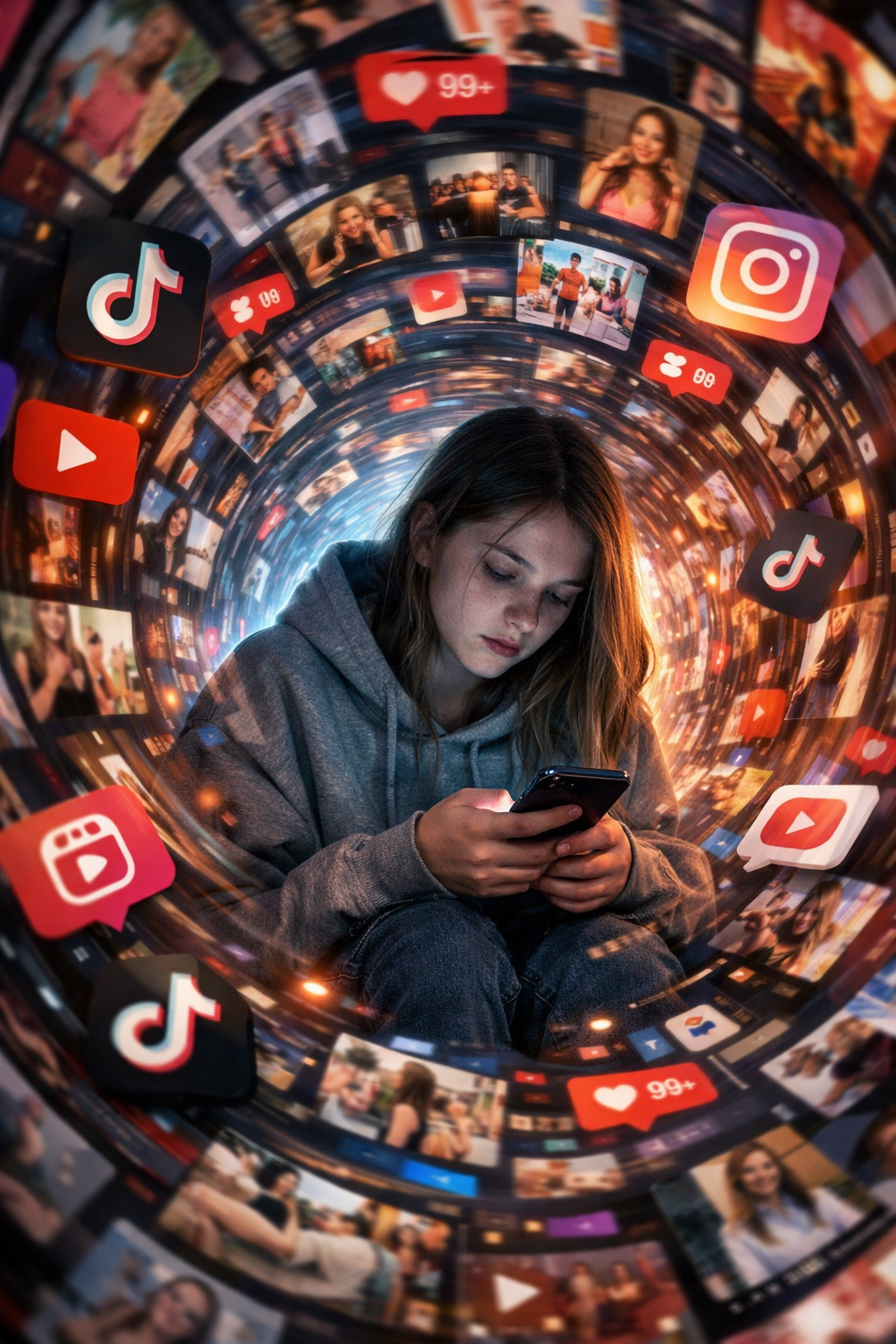
Going completely cold turkey from TikTok and social media is genuinely difficult and often fails because the brain is not given any alternative pathway for the dopamine it has become dependent on. The craving remains. The compulsion remains. And most people return to the scroll within days.
But replacing short form content with long form content, a Netflix series, a film, a documentary, a full length YouTube video, provides the brain with a slower, more sustained form of stimulation that it can gradually learn to tolerate and then enjoy again. The dopamine is still there. The entertainment is still there. But the pacing retrains the brain's expectation of how fast that reward needs to arrive.
This is not a theory. This is the same graduated stimulus reduction principle used in legitimate addiction medicine applied to a digital context.
The Response You Are Having Right Now
If you are reading this and feeling some resistance, if part of you is thinking "I do not want to watch a full show, I do not have time for a whole movie, I do not have the patience to sit through an entire episode," pay attention to that response.
That reaction is the addiction talking.
Because here is the truth. You are already spending that time. The hour you say you do not have for a Netflix episode? You are spending it in pieces, in 30 second increments, watching 90 videos you will not remember tomorrow, alone on your couch, getting 300 dopamine hits that leave you feeling hollow when you finally put the phone down.
A 45 minute episode watched with your partner, your friend, or your family does something entirely different. It gives your brain a narrative to follow. It builds the attention span that short form content is actively destroying. It creates a shared experience that you can actually talk about with another person.
Short form content is almost always a solitary activity. You scroll alone. You laugh alone. You consume alone. Long form content is inherently social. People watch shows together, debate them, recommend them, quote them. That connection matters more for your mental health than any algorithm will ever provide.

When to Talk to Someone
If you recognized yourself in this blog and felt some combination of understanding and dread, that is worth paying attention to.
Technology addiction, including compulsive short form content use, is a real clinical concern that therapy addresses directly. If your screen time is affecting your sleep, your relationships, your ability to focus at work, or your sense of how you want to be spending your time, that conversation deserves a professional space.
At Bluebird Therapy Center in New Jersey, we work with people navigating exactly this kind of modern stress. We offer virtual therapy sessions for anyone across New Jersey, accept most major insurance plans, and offer a free 15-minute consultation with no pressure and no commitment.
Book your free consultation today and start taking your attention span back.
Start Small Tonight
You do not have to delete TikTok tonight, although that is an option. You just have to open Netflix instead. Pick something. Press play. Put your phone across the room. And let your brain remember what it feels like to stay with something for longer than thirty seconds.
Your attention span is not gone. It is just being borrowed by an algorithm that profits from keeping it.
Take it back.


