
Retirement Routines: Build Habits for Mental Wellness | Medicare
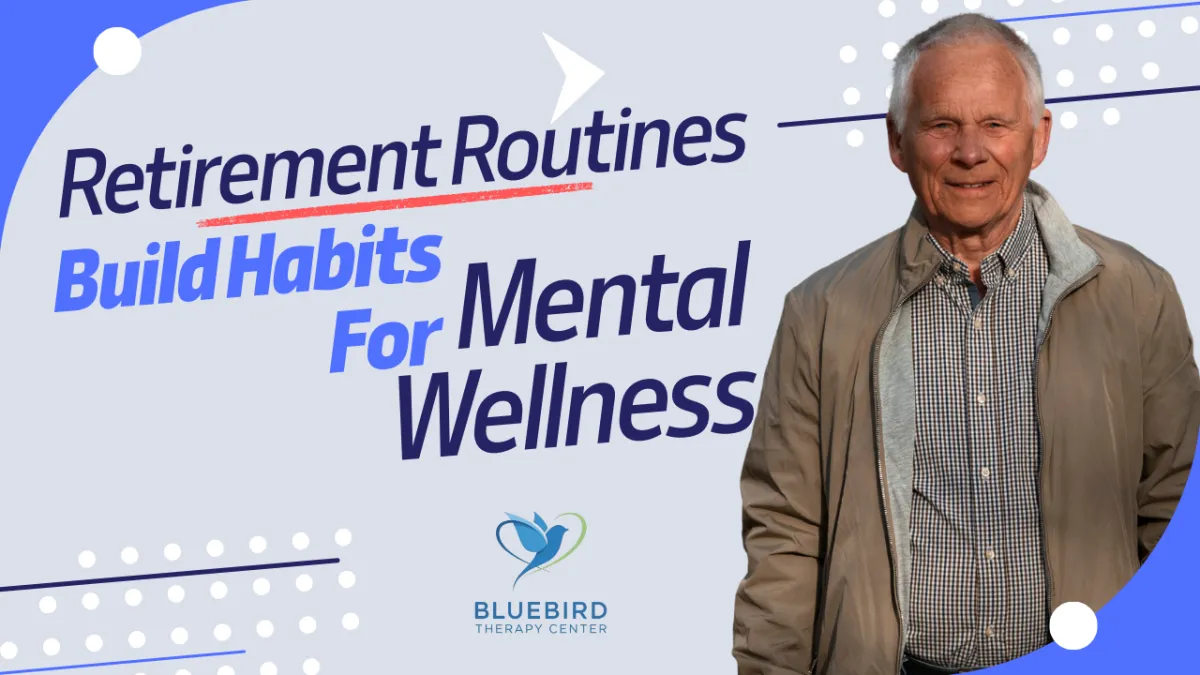
Retirement & Healthy Routines: Build Habits for Mental Wellness
Retirement is supposed to feel like freedom. No alarm clock. No obligations. No structure. And for the first month, maybe two, it feels amazing.
Then something shifts.
Days blur together. Time feels empty instead of open. You're sleeping poorly. Your mood dips. The thing you were supposed to enjoy, all that unstructured time, is actually making you feel lost.
This is a documented phenomenon, and it's not weakness. It's neurology. Your brain needs structure. Without it, mental health suffers. The solution isn't to go back to work. It's to build a retirement routine that gives you both freedom and the framework your brain requires to thrive.
WHY RETIREMENT IS A MENTAL HEALTH TRANSITION
For decades, your brain organized around structure. Work, responsibilities, schedules. They created a framework that your brain used to regulate sleep, mood, and motivation. You might have complained about it, but that structure was actually protecting your mental health.
When you retire, that structure vanishes. Suddenly, you have unlimited time and no obligations. Sounds great until you realize that unlimited choice is paralyzing, and no obligations means no external motivation to get out of bed.
Research shows retirement transitions can trigger depression, increased anxiety, cognitive decline, and social isolation. Not because retirement is bad, but because the sudden loss of structure is destabilizing. This is especially true for people navigating a major life identity shift without professional support.
The answer isn't to structure retirement like work. It's to build a different kind of structure—one that supports mental health, purpose, and genuine freedom. And the best way to do that is through intentional habit-building.
THE RETIREMENT ROUTINE THAT ACTUALLY WORKS
A sustainable retirement routine looks nothing like a work schedule. It's more flexible, more varied, and built around what actually matters to you. But it still has consistent anchors that keep your brain regulated.
Morning anchor (non-negotiable). Wake at roughly the same time. Your sleep-wake cycle stabilizes when you keep a consistent schedule. The consistency matters more than whether it's 6 a.m. or 9 a.m. Have a morning ritual: coffee, reading the news, journaling, stretching. This gives your brain the signal: the day is starting, and here's what's predictable.
Movement built in. This one is critical. When you're working, movement is often built in through commuting or walking around the office. Retirement removes that. You have to be intentional. This could be a daily walk, a yoga class, gardening, or swimming. The specificity matters less than the consistency. Aim for three to four times weekly minimum.
Social connection scheduled. This is where isolation creeps in. Without work, you have to actively schedule time with people. Set a standing coffee date with a friend. Join a club or class. Volunteer. Schedule calls with family. Social connection is non-negotiable for mental health in retirement—but it requires intentionality.
Purpose-driven activities. Humans need purpose. Work provided that. In retirement, you have to create it. This might be volunteering, pursuing a hobby at a deeper level, mentoring younger people, creative projects, or learning something new. The specific activity matters less than having something that makes you feel like you're contributing or growing.
Evening wind-down. Just like working people, retirees need a transition from "on" to "rest." This might be reading, gentle hobbies, time in nature, or connecting with a partner. A consistent bedtime helps too.
THE PERMISSION YOU'RE MISSING
Here's something therapists hear often: retirees feel guilty about structure. They think, "I'm retired, I should just be free and spontaneous." They feel like they're doing retirement wrong if they have a routine.
But structure isn't the opposite of freedom. Structure is what makes freedom possible. When your basic needs—sleep, movement, social connection, purpose—are met through consistent habits, you have actual freedom to enjoy your retirement. Without that structure, you're just adrift.
Think of it this way: a sailboat needs a rudder and anchor. Without them, it's not free, it's lost. Your retirement is the same.
TRACKING HABITS: THE MISSING PIECE MOST RETIREES OVERLOOK
Here's where most people fail at building retirement routines: they don't track them. They start strong on January 1st, but by mid-February, they've lost momentum. Why? Because without visibility, it's easy to slip back into old patterns.
This is exactly why Bluebird Therapy Center's free habit-building tool exists. It's designed specifically to help retirees in Bergen County build and maintain the habits that protect mental health:
Map your ideal retirement routine: Clarify what movement, connection, purpose, and rest actually look like for you
Track daily habits: Log the habits that keep you mentally healthy without needing external accountability
See mood correlations: Discover which habits have the biggest impact on how you actually feel
Stay consistent: Visual tracking creates accountability without pressure
Adjust as needed: Learn what truly works for your life and adjust accordingly
The tool removes the guesswork. Instead of wondering whether your routine is working, you'll see it. You'll notice patterns. You'll understand exactly which habits move the needle on your mood and energy.
BUILDING CONSISTENCY IN A FLEXIBLE LIFE
The key difference between a work schedule and a retirement routine is flexibility. You can swap Tuesday's coffee with Wednesday's. You can vary your exercise. You can pursue new interests. But the categories stay consistent: movement, social connection, purpose, rest.
Here's where a real challenge often emerges: retired people sometimes struggle with motivation in ways they didn't during work years. You don't have external accountability. You don't have a boss or coworkers counting on you. You have to be your own accountability.
This is why tracking matters. When you use Bluebird's habit-building tool, you're creating that accountability yourself. You're not doing it for a boss or employer. You're doing it for you. And that's actually more sustainable.
WHEN RETIREMENT TRIGGERS DEEPER MENTAL HEALTH CHALLENGES
Sometimes retirement's impact goes deeper. If you're experiencing depression, anxiety, or a significant identity crisis related to retirement, professional support makes a real difference. A therapist can help you:
Process the identity shift from "working person" to "retired person"
Address depression or anxiety that emerges without work structure
Explore purpose and meaning in this new life phase
Navigate social changes and relationship shifts
Develop a personalized approach to staying mentally healthy
Many retirees in Bergen County benefit from working with a therapist during this transition. The good news: mental health care is more accessible than you might think. Bluebird Therapy Center accepts Medicare, making therapy affordable for retirees. We recommend starting with a free 15-minute consultation to confirm your benefits and see if therapy is right for you.
Whether you need full therapy or just want to use our free habit-building tool, the important thing is taking action. Your mental health in retirement depends on it.
THE HABIT PRINCIPLE THAT CHANGES EVERYTHING
Your habits don't have to be perfect. They just have to be consistent. Start small. Track them. Adjust as needed. That's the system that works.
YOUR RETIREMENT CAN BE BETTER THAN YOU THINK
Retirement should be one of your best decades. But that doesn't happen by accident. It happens when you intentionally build routines that support your mental health and sense of purpose.
Start with the basics: consistent wake time, regular movement, scheduled social connection, something purposeful. Let those anchors give your brain the structure it needs. Then fill in the rest with the freedom you've earned.
Use Bluebird Therapy Center's free habit-building tool to track what's working. If you need support beyond habit-building, we're here. And if you have Medicare, we can help you understand your coverage with a quick 15-minute consultation.
Your greatest years are waiting. They just need the right structure to thrive.


